Book a visit

Advice

Patient advice

The things our patients ask about most — in a few bullet points.

How to look after your oral hygiene

How to look after your oral hygiene

Good hygiene is the best protection against decay, inflammation and bad breath.

  • Brush carefully at least twice a day.
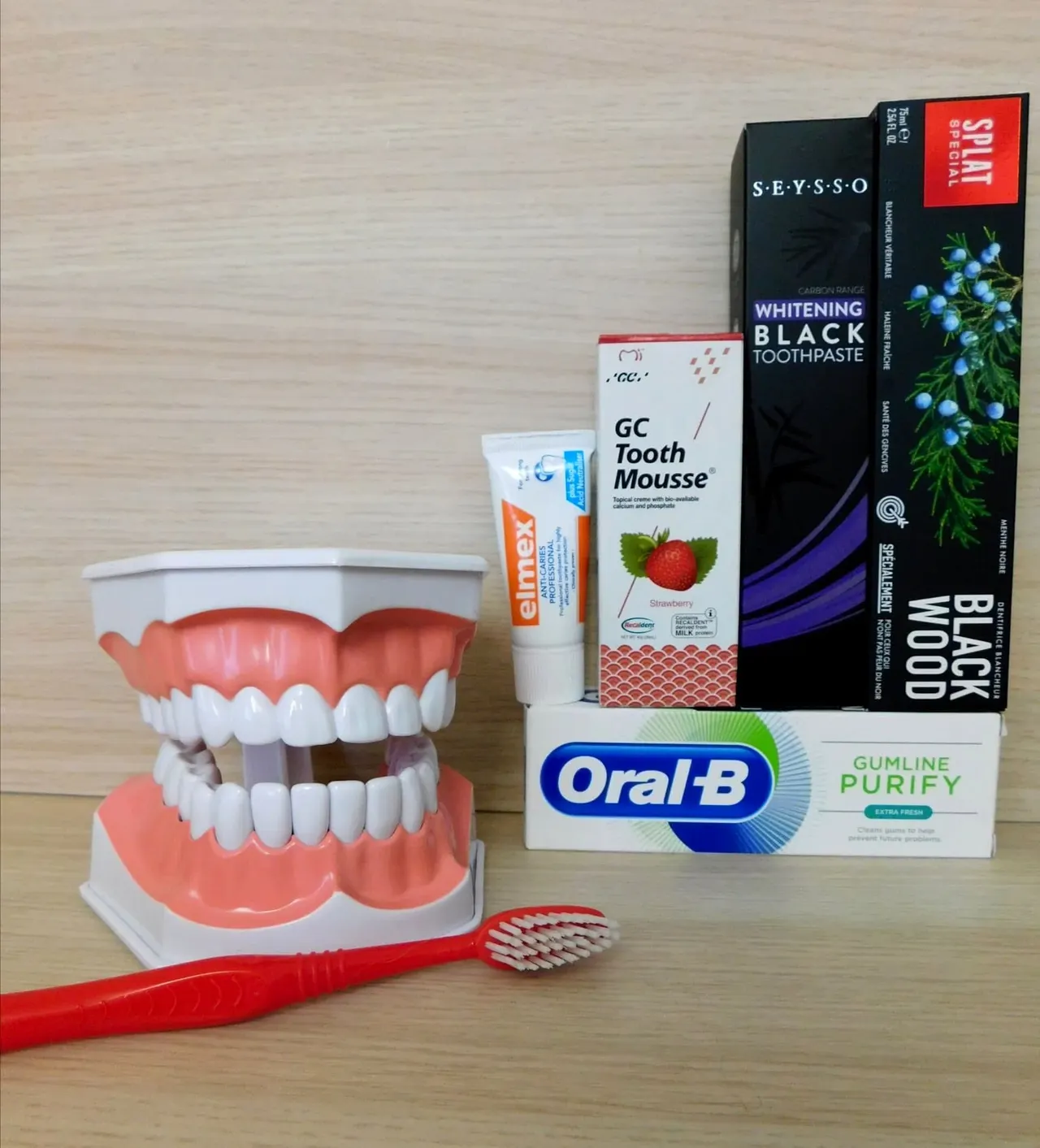
  • Use a toothpaste suited to your needs.
  • Floss and use mouthwash every day.
  • Don’t stop brushing or flossing even if your gums bleed.
  • Replace your toothbrush or brush head at least every 3 months.
  • Come in for check-ups and professional cleaning.
Flossing, step by step

Flossing, step by step

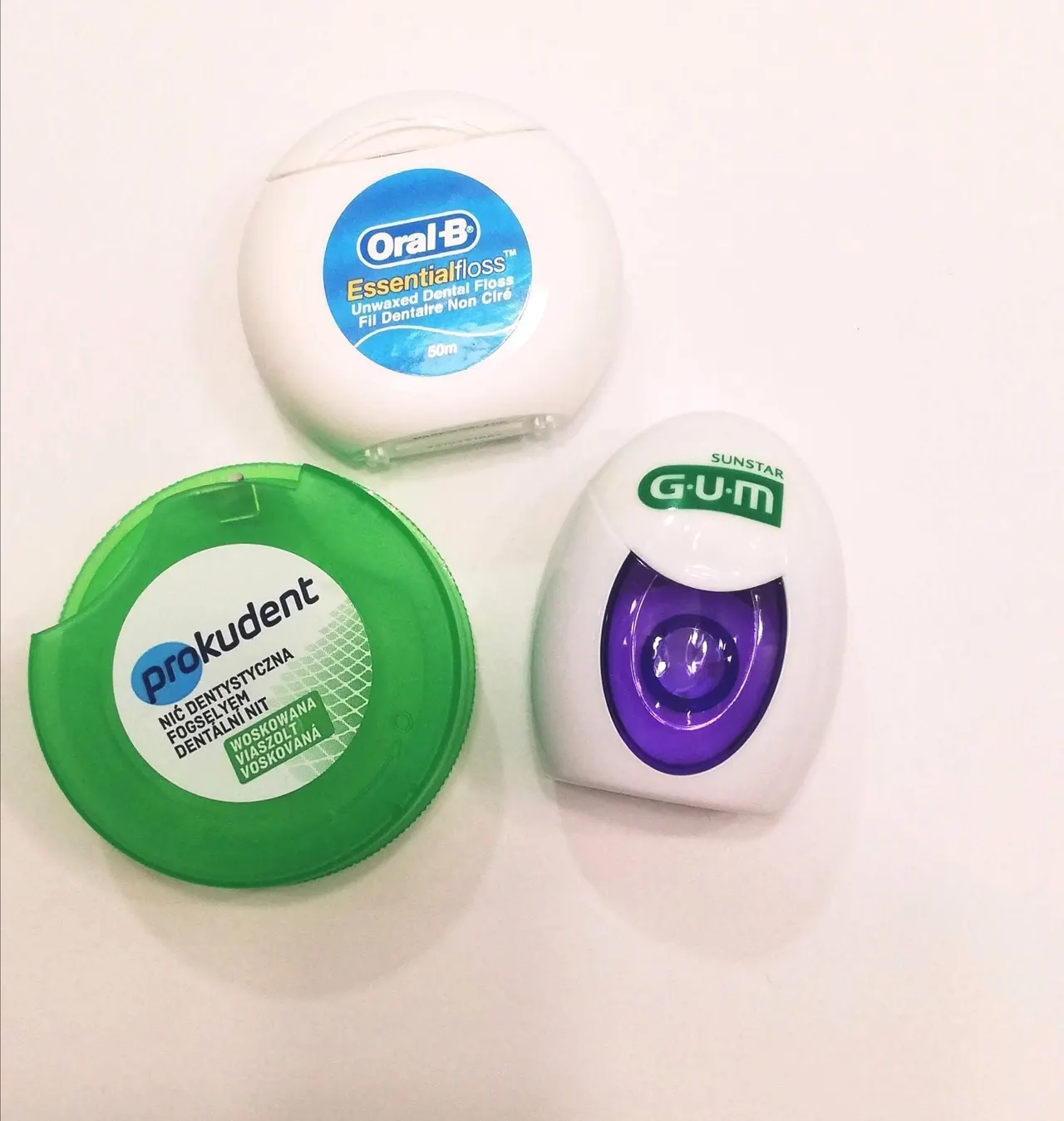
Flossing takes about three minutes and cleans where a toothbrush can’t reach.

  • Cut 40–50 cm of floss and wind it around the middle fingers of both hands — more on one, less on the other.
  • Leave about 4 cm of taut floss between your fingers.
  • Slide it between the teeth until you feel resistance, then gently clean just under the gumline.
  • Keep the floss against the tooth and move it up and down, not side to side; keep it taut.
  • Wind the used section onto one finger and unwind fresh floss from the other.
  • Finish by rinsing with water, then mouthwash.
Is a water flosser worth it?

Is a water flosser worth it?

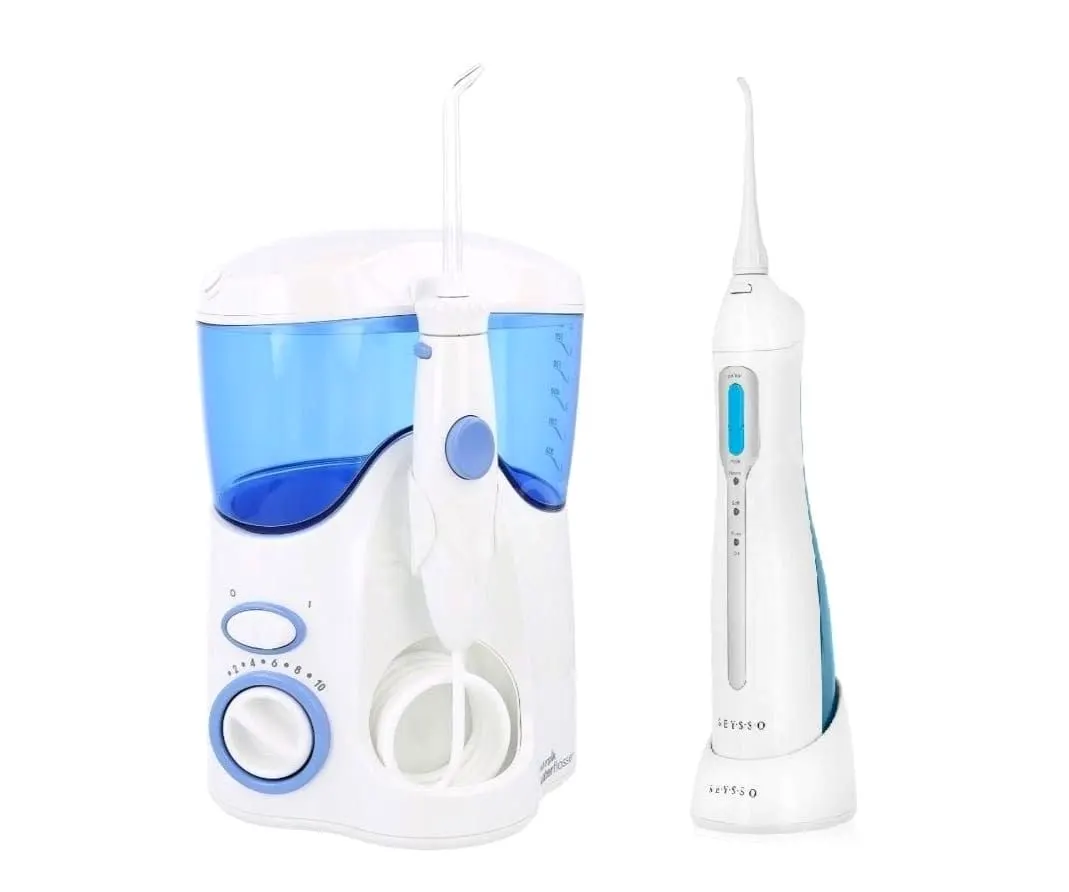
A pressurised water jet removes plaque and bacteria from between the teeth and from gum pockets.

  • It massages the gums and improves their blood flow.
  • It’s ideal if you wear braces.
  • It helps keep crowns, bridges and other restorations clean.
  • It reaches where brush and floss can’t.
  • Anyone can use one — it suits everybody.
Sensitive teeth — where it comes from

Sensitive teeth — where it comes from

Pain with cold, hot or a breath of cold air appears when the gum recedes and exposes the root.

  • Brush gently with a soft-bristled brush.
  • Use dental floss.
  • Cut down on acidic, sugary and fizzy food and drinks.
  • Watch out for teeth grinding — tell your dentist about it.
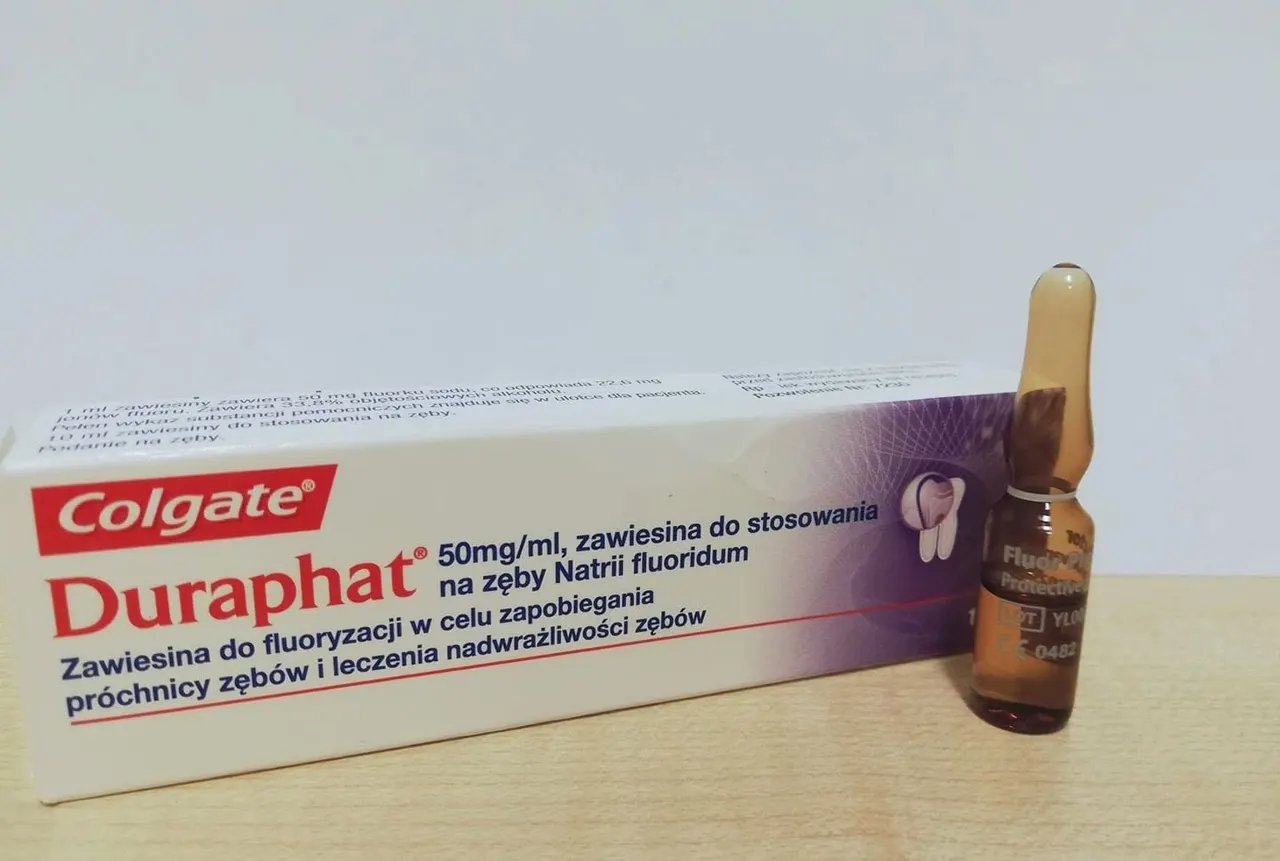
  • In the clinic we can protect your teeth with fluoride varnish.
Xylitol — the sugar your teeth like

Xylitol — the sugar your teeth like

Xylitol, or birch sugar, is a natural sweetener that helps your teeth instead of harming them.

  • It fights decay — that’s why it’s in chewing gum.
  • It boosts saliva flow by up to 300%.
  • It raises pH and strengthens saliva’s buffering capacity.
  • It inhibits Streptococcus mutans bacteria.
  • It helps the body absorb calcium — especially good for children.
Baby teeth — how to care for them

Baby teeth — how to care for them

Baby teeth decay more easily than permanent ones — care starts with the very first tooth.

  • Brush your child’s teeth together after meals.
  • Give sweets after a meal, not as a snack in between.
  • Don’t soothe your child with sweets or sugary drinks.
  • At night and after brushing, offer only plain water.
  • Dental check-ups every 3–4 months.
Fissure sealing — a shield for children’s teeth

Fissure sealing — a shield for children’s teeth

A sealant closes the grooves where decay most often starts. It’s completely painless.

  • Cuts the risk of decay by up to 90%.
  • Protects spots a toothbrush can hardly reach.
  • The smooth surface makes daily brushing easier.
  • Best done right after the permanent molars come through — usually at age 6–7.
Wisdom teeth — when should they go?

Wisdom teeth — when should they go?

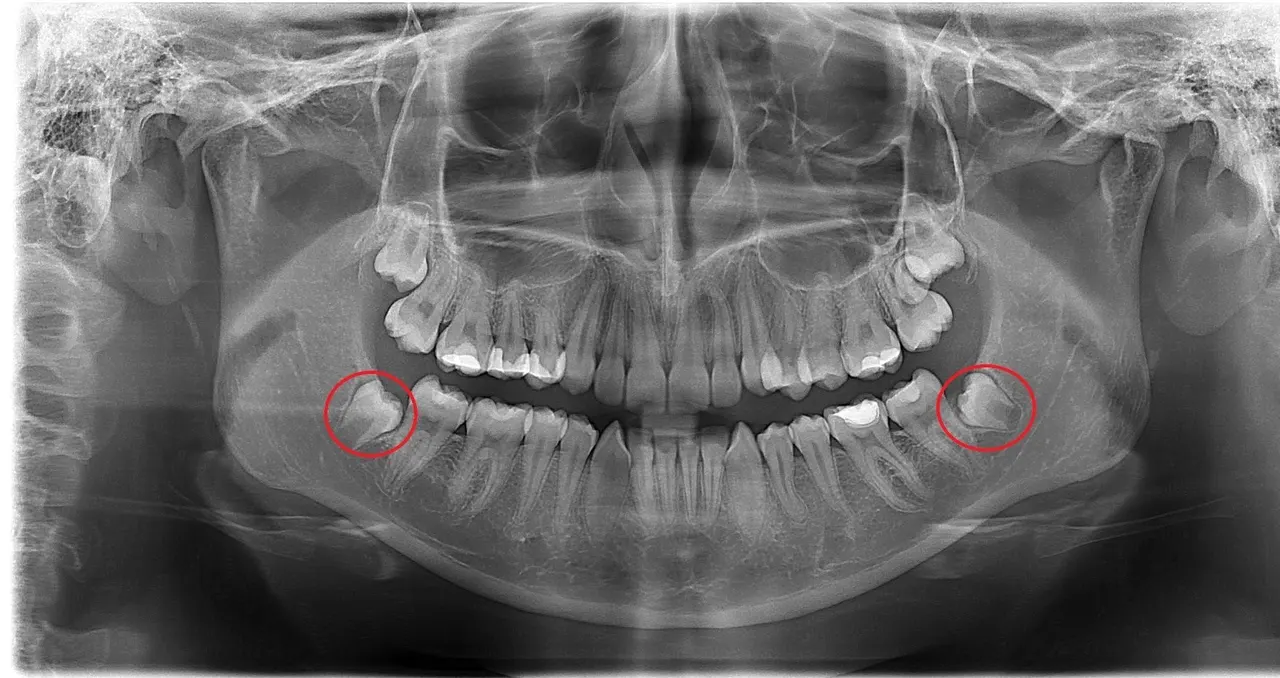
We decide based on a panoramic X-ray. The most common reasons:

  • advanced decay in the wisdom tooth,
  • recurring inflammation,
  • upcoming orthodontic treatment,
  • the tooth growing in the wrong direction,
  • pulp inflammation — root canal treatment of wisdom teeth is often impossible,
  • lack of room, pushing other teeth out of line.

Contact

+48 56 688 08 33

Mobile: +48 534 963 660 · amalgamat8@wp.pl

ul. Grudziądzka 25b
87-200 Wąbrzeźno

Opening hours

  • Monday08:00 – 19:00
  • Tuesday08:00 – 19:00
  • Wednesday08:00 – 19:00
  • Thursday08:00 – 19:00
  • Friday08:00 – 19:00
  • Saturdayclosed
  • Sundayclosed
NFZWe also see NFZ patients

We have a contract with Poland’s National Health Fund (NFZ). Call us to book a publicly funded visit — our reception will tell you which treatments are covered.

NFZ (public) appointments

  • Monday14:00 – 18:00
  • Tuesday08:00 – 13:00
  • Wednesday13:00 – 18:00
  • Thursday08:00 – 13:00
  • Friday08:00 – 13:00
  • Saturdayclosed
  • Sundayclosed